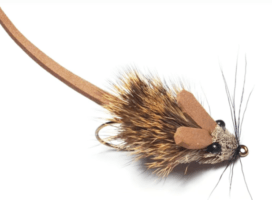
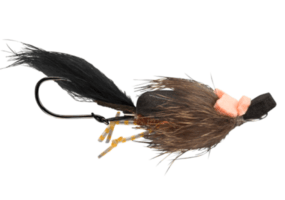
Baby Pip Squeak Mouse Fly
$ 10.80
The Baby Pip Squeak Mouse Fly represents a masterful evolution in modern mouse pattern design, being a 25% smaller version of RIO’s highly successful Pip Squeak Mouse. This sophisticated pattern has established itself as a highly effective choice for targeting average-sized trout with lighter tackle while maintaining the proven effectiveness of its larger counterpart. Historical Origins and Development The pattern emerged as a specialized adaptation of the original Pip Squeak Mouse, incorporating scaled-down proportions to create a more versatile pattern suitable for a wider range of fishing situations. This modern pattern maintains essential characteristics while adding significant technical advantages. Key Historical Developments: Original Pip Squeak foundation Size reduction innovation Material evolution Pattern refinements Modern adaptations Technical improvements Contemporary variations Design Philosophy and Innovation The pattern’s design reflects deep understanding of: Natural mouse behavior Surface disturbance Fish feeding patterns Light penetration Movement characteristics Premium Materials and Construction Traditional Materials: Quality stout hooks Specialized foam Mixed materials Durable components Quality threads Modern Adaptations: Synthetic materials Enhanced durability Advanced construction Specialized hooks Innovative finishes Technical Specifications Hook Configuration: Style: 2X-3X strong Size: 6 (standard) Strength: Heavy wire Finish: Black nickel Point: Wide gap Body Construction: Thread: 3/0 or 210 denier Body: Mixed materials Profile: Compact Durability: High Flotation: Enhanced Fishing Applications Water Types: Mountain streams Small rivers Clear waters Structure areas Various conditions Seasonal Effectiveness: Spring: Late spring emergence Warming waters Night fishing Multiple depths Various presentations Summer: Prime mouse season Morning/evening fishing Night conditions Technical fishing Surface action Fall: Pre-winter feeding Changed water Aggressive takes Multiple depths Various speeds Advanced Fishing Methods Presentation Techniques: Surface Wake Cross-current swim Speed control Wake management Line mending Angle adjustments Modern Adaptations Strip retrieve Twitch techniques Dead drift Bank placement Multiple depths Water Reading and Strategy Key Factors: Current speed Bank structure Cover location Temperature Light conditions Strategic Approaches: Entry point selection Drift planning Coverage patterns Bank targeting Speed adjustment Environmental Adaptations Light Conditions: Low light Night fishing Early morning Evening light Overcast effectiveness Water Clarity: Crystal clear Slightly colored Stained water Post-rain Variable visibility Modern Variations Size Adaptations: Standard size Custom ties Situation-specific Water-matched Species-targeted Pattern Variations: Traditional style Modern materials Hybrid designs Color adaptations Seasonal options Technical Considerations Leader Setup: Length selection Lighter tippet Breaking strength Knot choice System balance Equipment Matching: Rod weight (4-5wt) Line type Leader design Tippet selection Terminal tackle Conservation and Durability Material Selection: Environmental impact Longevity factors Strength requirements Replacement needs Storage considerations Maintenance: Post-use care Storage methods Repair techniques Material preservation Long-term durability Advanced Applications Specialized Techniques: Bank presentation Structure fishing Cover presentation Technical mending Line control Tactical Adaptations: Weather conditions Water levels Fish behavior Seasonal changes Time of day Compact Design Benefits Design Advantages: Enhanced presentation Improved accuracy Better visibility Precise profile Wake creation Performance Benefits: Lighter tackle use Natural movement Strike triggering Energy efficiency Versatile fishing Advanced Water Reading Current Analysis: Bank structure Cover identification Structure influence Temperature breaks Holding lies Strategic Planning: Coverage efficiency Presentation angles Rest periods Pattern rotation Time management Seasonal Applications Spring Tactics: Early season techniques Water temperature monitoring Early season approaches Fish behavior patterns Energy conservation Summer Strategies: Prime time presentations Light penetration factors Temperature considerations Feeding patterns Time of day Fall Methods: Pre-winter behavior Water temperature changes Migration patterns Aggressive triggers Weather influences Future Developments Emerging Trends: New materials Design refinements Tying techniques Fishing methods Pattern variations Innovation Areas: Material technology Construction methods Presentation techniques Environmental considerations Performance enhancement The Baby Pip Squeak Mouse Fly represents the perfect fusion of proven design and practical adaptation. Its sophisticated engineering incorporates scaled-down proportions with proven mouse pattern design, creating a pattern that consistently produces results across varying conditions. Whether targeting average-sized trout with lighter tackle or presenting in challenging situations, this pattern delivers exceptional performance through its carefully calculated design elements and versatile presentation capabilities.